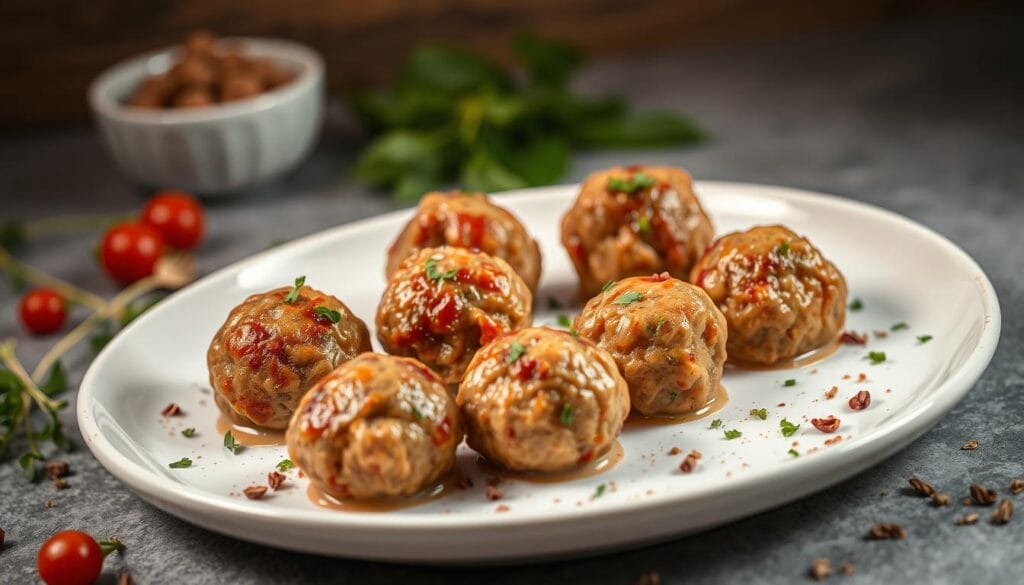
Ever stared into your kitchen pantry, craving meatballs but realizing you’re out of breadcrumbs? You’re not alone. The good news is you can make delicious Healthy Meatballs Recipe. This is great if you’re avoiding gluten, watching your carb intake, or just ran out of breadcrumbs.
Making healthy meatballs is all about smart ingredient choices and balance.
By using lean proteins, nutritious binders, and simple cooking techniques, you can create meatballs that are low in fat, high in protein, and full of flavor.
Whether your goal is healthier meals, better macros, or lighter comfort food, this guide will walk you through practical tips to get juicy, satisfying meatballs without sacrificing taste.
This guide will walk you through smart ingredient choices, nutritious binders, and simple techniques to create juicy, healthy meatballs without sacrificing flavor.
Table of Contents
What Makes Meatballs Healthy?
Choosing smart binders plays a key role in making healthy meatballs. Ingredients like oats, whole-grain breadcrumbs, or almond flour can improve texture while adding fiber or reducing refined carbs. When used correctly, these binders support moisture and structure without compromising nutrition.
Healthy Binding Ingredients and Their Benefits
In healthy meatball recipes, binding ingredients are selected not only for structure but also for their nutritional value. Ingredients such as oats, whole grains, or nut-based binders contribute fiber, healthy fats, or sustained energy, helping create meatballs that are both satisfying and balanced.
- Provide dietary fiber that supports digestion and satiety
- Help retain moisture while reducing reliance on refined carbs
- Contribute healthy fats or complex carbohydrates for sustained energy
- Maintain tenderness and structure without adding unnecessary calories
Common Challenges in Meatball Making
Without breadcrumbs, making meatballs can be tough. Meatballs might:
- Become dry and crumbly.
- Be too dense.
- Be hard to shape.
- Fall apart while cooking.
Traditional vs Health-Focused Binding Approaches
Traditional meatball recipes often rely on breadcrumbs for structure, while modern, health-focused cooking explores alternatives that offer similar binding benefits with improved nutritional value. These approaches aim to balance texture, moisture, and health goals without sacrificing flavor.
The key is understanding the structural role breadcrumbs play in creating that perfect, juicy meatball texture.
Healthy Alternatives to Breadcrumbs for a Healthy Meatballs Recipe
When making a healthy meatballs, choosing the right breadcrumb alternatives is essential. Healthy binders help keep meatballs moist and flavorful while reducing refined carbs and unnecessary fats. The options below support better nutrition without sacrificing texture or taste.
Almond Flour: A Gluten-Free Powerhouse
Almond flour is a top choice for gluten-free meatballs. It adds a nutty taste and lots of nutrition. It’s full of protein and healthy fats, making meatballs tender and juicy.
- High in protein
- Naturally gluten-free
- Adds subtle nutty flavor
- Helps retain moisture in healthy meatballs without added fat
Oat Flour: A Nutritious Binder for Healthy Meatballs
In a healthy meatballs, oat flour works as a nutritious binding ingredient that improves texture without refined breadcrumbs. It’s rich in fiber and helps retain moisture, making meatballs tender while supporting balanced nutrition. Its mild flavor allows herbs and spices to shine without overpowering the dish.
Comparison of Healthy Binding Ingredients for Meatballs
| Binding Alternative | Protein Content | Gluten-Free Status |
|---|---|---|
| Almond Flour | 21g per cup | Yes |
| Oat Flour | 12g per cup | When certified |
Additional Healthy Binding Options for Healthy Meatballs Recipe
In a healthy meatballs, choosing the right binding ingredients can improve texture, moisture, and overall nutrition. These options help keep meatballs tender while adding fiber, protein, or natural fats—without relying on refined ingredients.
- Grated zucchini – adds moisture and fiber
- Mashed cauliflower – low-calorie and light
- Ground nuts – healthy fats and protein
- Grated cheese – improves binding and flavor (use moderately)
Trying these alternatives will help you make healthy meatballs Recipe that are moist, flavorful, and balanced. You’ll discover a world of tasty, healthy options.
Essential Ingredients for a Healthy Meatballs
To make a healthy meatballs, choosing the right ingredients is essential. A balance of lean protein, smart binders, and natural flavor boosters helps create meatballs that are moist, flavorful, and nutritionally balanced—without relying on unnecessary fillers.
Here are the essential ingredients for healthy meatballs:
- Lean ground meat (beef, turkey, chicken,)
- Eggs as a natural binding agent
- Healthy binders like almond flour or oat flour
- Fresh herbs and spices for enhanced flavor
The secret to great healthy-meatballs lies in choosing the right meat and using balanced ingredients.
Healthy Meatballs Recipe Ingredient Guide (Balanced & Nutritious)
| Ingredient | Purpose | Recommended Amount |
|---|---|---|
| Ground Meat | Primary protein base | 1 pound |
| Eggs | Binding agent | 1-2 large eggs |
| Almond Flour | Gluten-free binder | 1/4 cup |
| Herbs | Flavor enhancement | 2-3 tablespoons chopped |
Pro tip: Choose lean meats with a balanced fat ratio to keep your healthy-meatballs juicy without sacrificing nutrition.
“The secret to great healthy-meatballs is the quality of ingredients and proper technique.” – Professional Chef
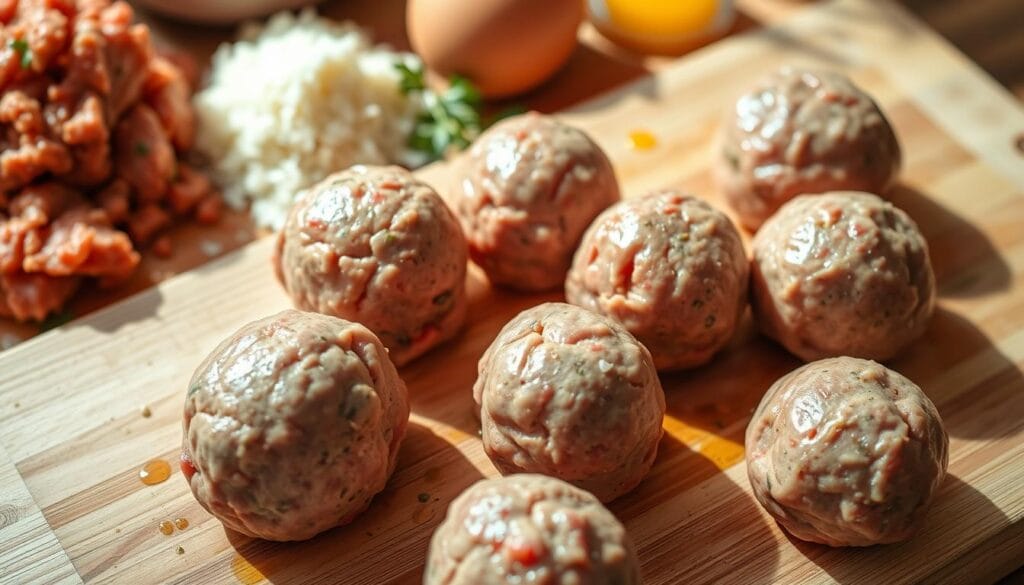
Step-by-Step Guide to Making Healthy Meatballs Recipe
When making healthy meatballs, choosing the right binding ingredients is key to achieving the perfect texture and flavor.
This guide will show you how smart ingredient choices and proper techniques help you make delicious healthy-meatballs every time
Mixing Techniques for Perfect Texture
To keep your meatballs together, follow these mixing tips:
- Use ground meat with a bit more fat
- Mix ingredients gently to avoid overworking the meat
- Try using egg or other binders like almond flour
Forming and Cooking Tips
Getting your meatballs to look the same takes practice. Here’s a way to help you get consistent results:
- Use wet hands when shaping to stop sticking
- Make sure all meatballs are the same size for even cooking
- Shape gently to keep them tender
Cooking healthy-meatballs to the correct internal temperature ensures they stay juicy while remaining safe to eat.
| Meat Type | Recommended Internal Temperature | Cooking Method |
|---|---|---|
| Ground Beef | 160°F | Baking or Pan-Frying |
| Ground Turkey | 165°F | Oven Roasting |
| Ground Chicken | 165°F | Skillet Cooking |
Signs of Perfect Doneness
To know when your healthy-meatballs are perfectly cooked, look for these simple signs:
- Internal temperature hits the right level
- The meat is no longer pink inside
- Juices are clear when you pierce them
With these tips, you’ll master making healthy-meatballs that are juicy, flavorful, and perfectly cooked every time.
Tips for Keeping Healthy Meatballs Juicy
Keeping healthy-meatballs juicy is all about smart ingredient choices and gentle cooking techniques. With the right balance, your meatballs can stay moist, tender, and full of flavor every time.
Healthy meatballs don’t have to be dry. Choosing meats with moderate fat content helps retain moisture while keeping the recipe balanced.
- Ground beef with 15-20% fat
- Ground pork with 20% fat content
- Dark meat chicken or turkey
Vegetables full of moisture can make your meatballs juicy. Grated zucchini, finely chopped onions, and minced garlic add liquid and keep them soft.
How you cook healthy meatballs matters just as much as the ingredients. Follow these tips for best results:
- Bake at lower temperatures (325-350°F)
- Use a meat thermometer to avoid overcooking
- Rest meatballs for 5-10 minutes after cooking
When making your meatballs, don’t press them too hard. Mix and shape gently. You want them to be light and tender, not dense.
Popular Healthy Meatball Recipe Variations
Creating a healthy meatballs opens up a world of flavorful and nutritious options. By choosing the right proteins and binders, you can enjoy tender meatballs that fit different diets and preferences.
Lean proteins are great for making a healthy meatballs that is both nutritious and satisfying, without relying on traditional breadcrumbs.
Healthy Turkey Meatballs: A Lean Protein Powerhouse
- Use ground turkey breast for a low-fat option
- Replace breadcrumbs with almond flour or oat flour
- Season with herbs like parsley and thyme
Healthy Beef Meatballs: Rich Flavor with Better Balance
Beef meatballs offer a robust taste that many home cooks love. When making a healthy meatballs without traditional binding agents, consider these tips:
- Choose lean ground beef (90/10 ratio) for a healthier meatballs recipe
- Add grated zucchini to boost moisture without extra fat
- Use egg as a natural binding agent instead of breadcrumbs
Healthy Chicken Meatballs: Light, Versatile, and Juicy
Chicken provides a lighter option for a healthy meatballs, especially when paired with the right binding ingredients and seasonings.
| Meat Type | Binding Alternative | Recommended Seasoning |
|---|---|---|
| Turkey | Almond Flour | Rosemary, Garlic |
| Beef | Grated Zucchini | Oregano, Basil |
| Chicken | Ground Flaxseed | Sage, Thyme |
Pro tip: Always ensure your meatballs reach an internal temperature of 165°F for safe consumption, regardless of the meat type you choose.
The secret to great healthy meatballs isn’t just the meat, but the balance of binders, seasoning, and technique.
Healthy Meatballs Recipe: Serving Suggestions and Sauce Pairings
A healthy meatballs deserves exciting serving options. The right sauces and sides can turn simple meatballs into a balanced, flavorful meal.
Classic sauce pairings are a favorite for breadcrumb-free meatballs. Here are some tasty choices:
- Marinara sauce – for a light, tomato-based option
- Light Alfredo (Greek yogurt–based) – for a creamy but healthier choice
- Spicy arrabbiata – for those who love heat
- Herb-infused olive oil – for a lighter approach
Try creative serving suggestions to make your meatballs stand out:
- Serve over zucchini noodles for a low-carb meal
- Create a grain bowl with quinoa or cauliflower rice
- Pack in a sandwich with fresh greens
- Top a crisp salad for a protein-packed lunch
| Sauce Type | Flavor Profile | Best Meatball Pairing |
|---|---|---|
| Marinara | Tangy, Tomato-Based | Beef or Turkey Meatballs |
| Pesto | Herbal, Nutty | Chicken Meatballs |
| Yogurt Sauce | Creamy, Mild | Lamb or Vegetarian Meatballs |
A healthy meatballs without breadcrumbs can fit many culinary styles. This keeps your meals exciting, nutritious, and balanced.
Healthy Meatballs Recipe: Storage and Meal Prep Guidelines
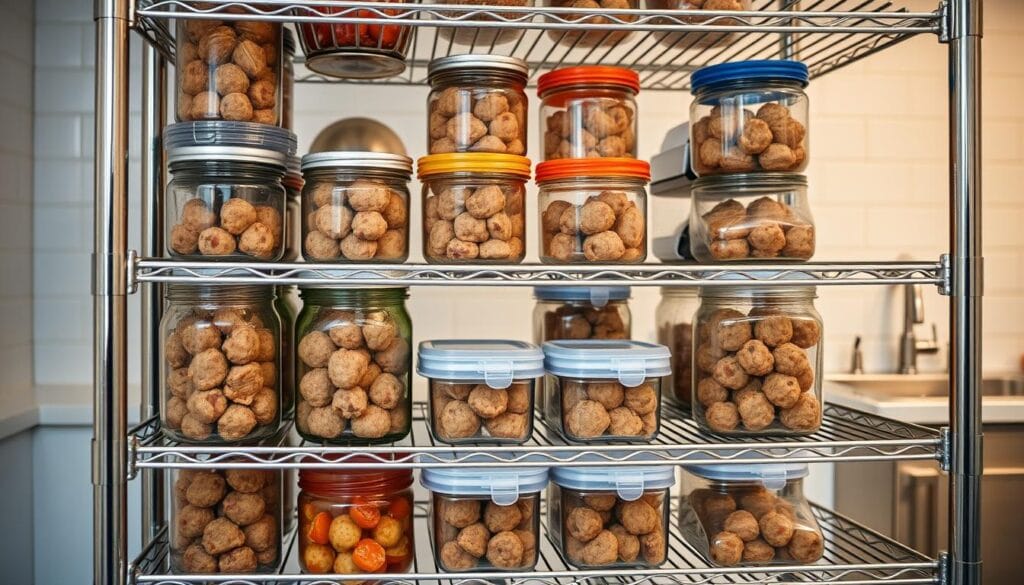
Whether you’re making a healthy meatballs for the week or prepping meals ahead of time, proper storage is essential. The right methods help preserve flavor, texture, and freshness.
Your Homemade healthy meatballs are perfect for quick, balanced meals. Here are some key storage tips to keep them fresh and tasty:
Refrigeration Strategies
- Store cooked meatballs in an airtight container
- Refrigerate within two hours of cooking
- Keep meatballs fresh for up to 5 days
Freezing Methods
Freezing healthy meatballs is a great way to keep them fresh and ready for quick meals. Proper freezing helps preserve texture, flavor, and moisture.
- Cool meatballs completely before freezing
- Place in freezer-safe containers or heavy-duty freezer bags
- Remove as much air as possible to prevent freezer burn
- Freeze for up to 3 months
Reheating Instructions
When you’re ready to enjoy your stored meatballs, follow these reheating tips. They help keep moisture and flavor:
- Thaw overnight in the refrigerator
- Reheat in a covered dish at 350°F for 10-15 minutes
- Add a splash of broth or sauce to prevent drying out
Pro tip: Batch cooking healthy meatballs can save you time and provide delicious meal options throughout the week.
Conclusion
Creating tasty healthy meatballs is not just possible — it’s simple and rewarding. By choosing quality proteins, using smart binding ingredients, and following the right techniques, you can make meatballs that are tender, flavorful, and satisfying every time.
The secret to a great healthy meatballs lies in balance: lean meats for protein, moisture-rich ingredients for texture, and thoughtful seasoning for flavor. With these principles, your homemade meatballs can be just as good as restaurant-quality versions — right from your own kitchen.
Now it’s time to experiment and make this recipe your own. Whether you’re cooking for meal prep, family dinners, or special occasions, healthy meatballs offer flexibility, nutrition, and incredible taste.
Keep exploring new ingredients and techniques, and you’ll discover that mastering a healthy meatballs is more than following steps — it’s about creating meals that are both nourishing and enjoyable.
FAQ
Do I need breadcrumbs to make healthy meatballs?
What can I use instead of breadcrumbs in a healthy meatballs?
Are healthy meatballs actually healthier than traditional ones?
What’s the best meat for a healthy meatballs?
How do I keep healthy meatballs from falling apart?
Can I freeze healthy meatballs?
How do I add moisture to healthy meatballs?
Did you like this recipe ?
There are no reviews yet. Be the first one to write one.