The first time I mastered a salmon loaf recipe, it felt like culinary magic. Salmon turned from a simple fish to a succulent masterpiece. It brought my entire family together around the dinner table.
As someone who once struggled with dry, flavorless fish, I’ve learned the secrets. Now, I can create perfectly roasted salmon that’s both tender and bursting with flavor.
Salmon isn’t just a meal – it’s a nutritional powerhouse. It’s packed with omega-3 fatty acids and essential vitamins. Your journey to creating an incredible salmon loaf recipe starts here.
Whether you’re a home cook looking to impress your family or someone seeking a healthy protein option, this guide is for you. You’ll learn everything you need to know about preparing the most delectable roasted salmon.
From selecting the right fish to mastering cooking temperatures, you’ll gain the confidence. You’ll be able to create restaurant-quality dishes in your own kitchen.
Get ready to transform your salmon cooking skills. Discover why this versatile fish can become your new favorite go-to meal. Your culinary adventure begins now.
Table of Contents
Understanding Different Types of Salmon for Perfect Roasting
Choosing the right salmon is key to a tasty baked salmon loaf. Not all salmon is the same. Knowing the differences can make your cooking better.
Wild vs. Farmed Salmon: Key Differences
The source of your salmon is important for a baked salmon loaf. Wild salmon has:
- More intense flavor
- Leaner meat texture
- Higher nutritional value
- Sustainable fishing practices
Best Salmon Varieties for Roasting
Not all salmon is good for a baked salmon loaf. Here are the best ones:
| Salmon Variety | Flavor Profile | Best Use |
|---|---|---|
| Sockeye | Rich, robust | Ideal for roasting |
| Chinook (King) | Buttery, smooth | Excellent for loaf recipes |
| Coho | Mild, delicate | Great for beginners |
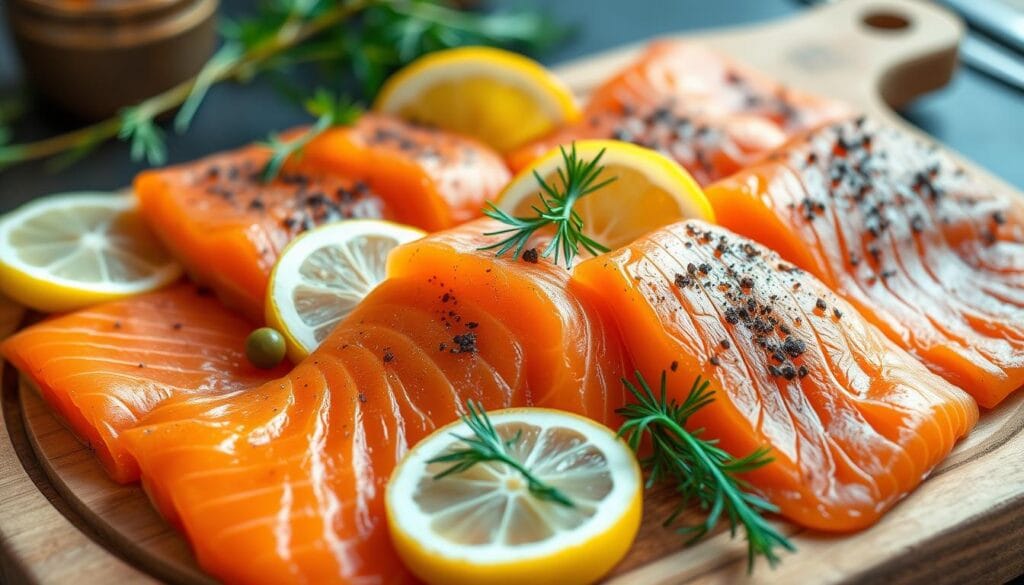
Selecting Quality Salmon
When buying salmon for your baked salmon loaf, look for these signs:
- Bright, vibrant color
- Firm flesh without discoloration
- Fresh, ocean-like smell
- Sustainable certifications
Pro tip: Fresh salmon from reputable fishmongers or sustainable sources like Alaska’s Bristol Bay will guarantee the best results for your salmon loaf.
Essential Kitchen Tools and Equipment for Roasting Salmon
To make a delicious old fashioned salmon loaf, you need the right kitchen tools. Having the right equipment makes cooking salmon easy and fun.
Here are the must-have tools for roasting salmon:
- Sheet Pan: A sturdy, rimmed baking sheet provides even heat distribution
- Parchment Paper: Prevents sticking and simplifies cleanup
- Instant-read thermometer for checking salmon’s internal temperature
- Sharp fillet knife for precise cutting
- Silicone pastry brush for applying marinades
For an old fashioned salmon loaf, you’ll also need a mixing bowl and a loaf pan. A non-stick surface is key to prevent sticking and make serving easier.
Quality kitchen tools make a big difference in cooking salmon. They ensure your dishes turn out great and make cooking more enjoyable.
Pro tip: Always choose sturdy, heat-resistant tools that can withstand high cooking temperatures.
Preparing Your Salmon for Roasting
Making a tasty salmon loaf with white sauce begins with preparing the salmon right. Every step, from thawing to seasoning, is key to a great dish. These steps turn a simple fish into a culinary delight.
Proper Thawing Techniques
Thawing salmon the right way is crucial for its texture and taste. You can thaw it in two main ways:
- Refrigerator method: Put frozen salmon in the fridge overnight
- Cold water method: Soak sealed salmon in cold water for about 1 hour
Pro tip: Don’t thaw salmon at room temperature. It can lead to bacterial growth and food safety issues.
Removing Pin Bones
Before making your salmon loaf, take out the small pin bones. They can spoil the dish. Use tweezers to remove these bones from the fillet’s center.
Seasoning Methods
Seasoning makes your salmon truly special. Here are some ways to add flavor:
- Simple salt and pepper blend
- Herbs like dill or parsley
- Citrus zest for brightness
- Spice mixtures including paprika and brown sugar
The right seasonings will make your salmon loaf stand out. It will be perfect for a creamy white sauce.
The Perfect Temperature and Timing Guide
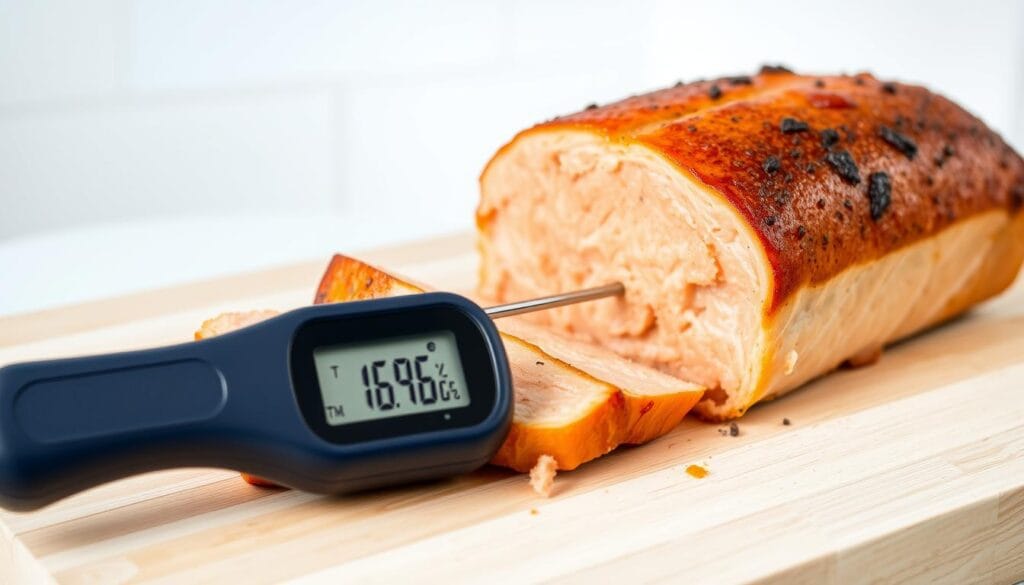
Cooking a perfect salmon loaf recipe needs precision and attention. Temperature and timing are key to success. Knowing the right cooking method ensures a delicious, moist salmon loaf every time.
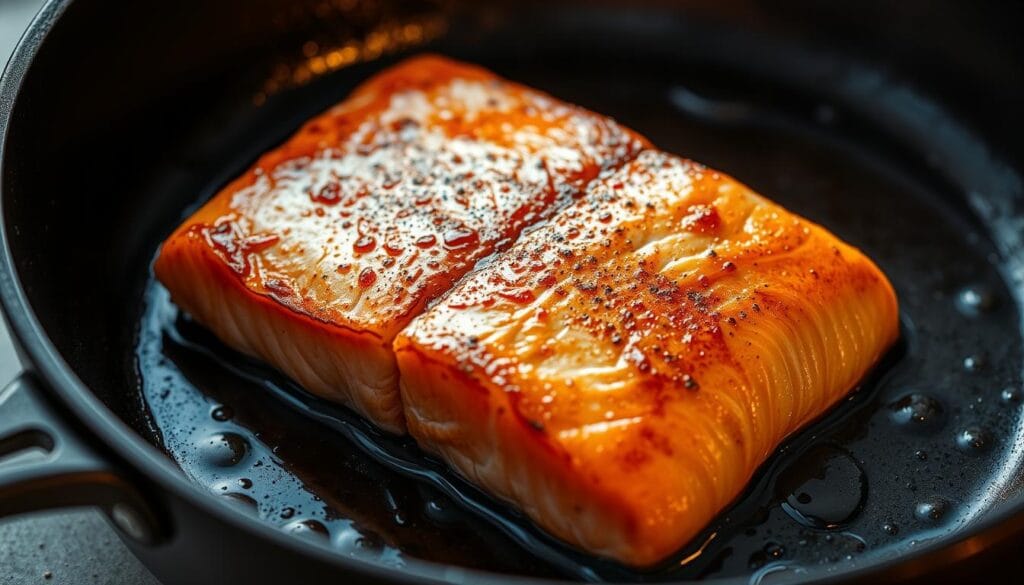
The best roasting temperature for salmon is 375°F (190°C). This temperature ensures even cooking. It keeps the fish moist and flavorful. Your salmon loaf recipe will greatly benefit from this controlled heat.
- Cooking time varies based on fillet thickness
- A 3-pound fillet typically requires 25 minutes
- Internal temperature should reach 125°F to 140°F
Visual cues are also important when preparing your salmon loaf recipe. Look for these signs of perfectly cooked salmon:
- Salmon turns from translucent to opaque
- Flesh becomes flaky and separates easily
- Color changes to light pink or pale orange
Pro tip: Use a meat thermometer to check internal temperature for precision. Remove salmon from heat when it reaches 125°F for medium-rare or 140°F for well-done.
Remember, overcooking can quickly dry out your salmon loaf, so watch it carefully!
Classic Salmon Loaf Recipe for Beginners
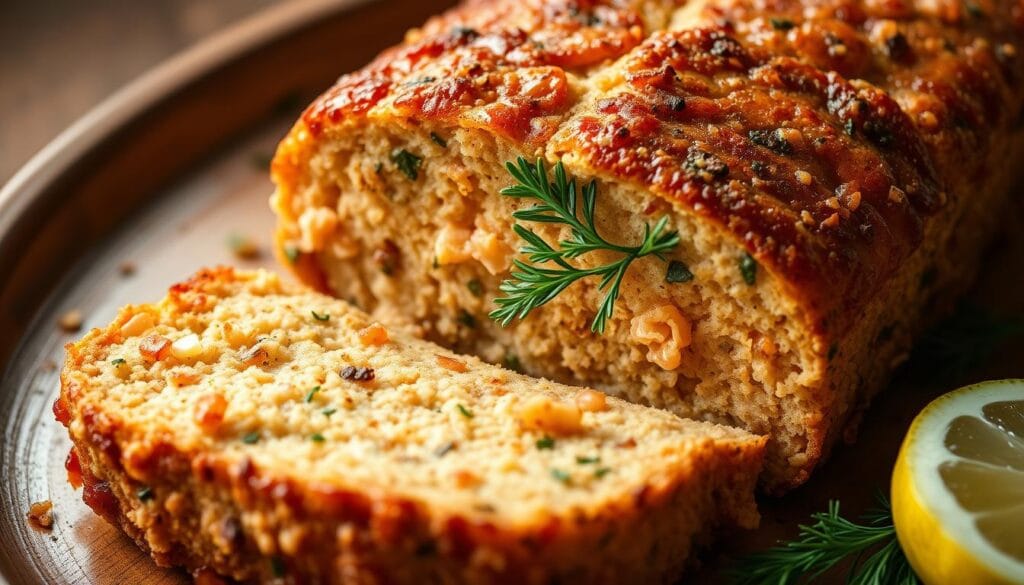
Want to make a delicious old fashioned salmon loaf that’s easy to make? This dish is comforting and nutritious, with little effort needed. It’s great for home cooks looking for a simple meal or those interested in traditional seafood recipes.
To make a real old fashioned salmon loaf, you need a few ingredients and simple steps. Let’s explore how to make a perfect salmon loaf every time.
Essential Ingredients
- 2 cups cooked salmon (fresh or canned)
- 1 cup breadcrumbs
- 2 large eggs
- 1/4 cup milk
- 1 small diced onion
- 1 teaspoon dried parsley
- Salt and pepper to taste
Step-by-Step Preparation
- Preheat your oven to 350°F
- Flake the salmon in a large mixing bowl
- Add breadcrumbs, eggs, milk, and seasonings
- Mix ingredients until well combined
- Press mixture into a greased loaf pan
- Bake for 35-40 minutes until golden brown
Serving Suggestions
Your old fashioned salmon loaf goes great with a fresh green salad or roasted veggies. Try adding a lemon-dill sauce for extra flavor. This dish is perfect for any meal, hot or cold.
Marinades and Seasonings for Flavorful Salmon
Turning your baked salmon loaf into a standout dish begins with the right marinades and seasonings. The goal is to boost the salmon’s natural flavors without overpowering them.
When making a baked salmon loaf, here are some tasty seasoning choices:
- Classic Herb Blend: Mix melted butter, fresh dill, parsley, minced garlic, lemon zest, salt, and cracked black pepper
- Asian-Inspired Marinade: Combine soy sauce, honey, ginger, and sesame oil for a sweet and savory taste
- Mediterranean Style: Blend olive oil, lemon juice, oregano, thyme, and crushed red pepper flakes
To get the most out of your marinades, follow these steps:
- Pat the salmon dry before adding seasonings
- Let the marinade sit for 15-30 minutes before cooking
- Don’t use acidic marinades for more than 30 minutes to avoid texture issues
Pro tip: Using fresh herbs and top-notch ingredients greatly enhances your salmon loaf’s taste. Try out different mixes to find your favorite seasoning blend.
Preventing Dry and Overcooked Salmon
Making the perfect salmon loaf with white sauce is all about controlling moisture and avoiding common mistakes. To get a tender, juicy salmon dish, you need to be precise and pay close attention to every detail.
Moisture is crucial for a delicious salmon loaf. The white stuff that comes out when salmon is overcooked is called albumin. Knowing how to avoid this helps you make a top-notch salmon loaf with white sauce every time.
Moisture Control Techniques
- Use a low-temperature cooking method to keep moisture in
- Cover your salmon loaf with foil at the start of cooking
- Try a water bath for even heat
- Let the salmon rest for 5-10 minutes after cooking to keep juices in
Common Cooking Mistakes to Avoid
- Avoid cooking at too high temperatures
- Don’t leave salmon in the oven for too long
- Make sure to let the salmon rest after cooking
- Pat salmon dry before seasoning
Professional chefs say to check the salmon’s internal temperature. For a moist salmon loaf with white sauce, aim for 145°F (63°C). Use a meat thermometer to check for doneness without overcooking.
Pro tip: The moment you see white protein emerging, it’s time to remove your salmon from heat to prevent dryness.
Side Dishes That Complement Roasted Salmon

Making a great salmon loaf recipe is more than just the main dish. The right sides can make your meal amazing. Choosing sides that match well ensures a balanced and tasty meal that shows off the salmon’s rich flavors.
When you’re planning your salmon loaf, think about these side dish options. They help bring out the best in your seafood star:
- Roasted Vegetables
- Crispy roasted potatoes
- Caramelized broccolini
- Herb-infused roasted asparagus
- Light and Fresh Sides
- Citrus quinoa salad
- Cucumber dill slaw
- Mediterranean couscous
Your side dish choice can change the whole meal. Lighter sides are great for summer, while heartier options are perfect for winter.
| Side Dish Category | Recommended Pairings | Flavor Profile |
|---|---|---|
| Roasted Vegetables | Garlic-herb potatoes | Savory, rich |
| Grain Salads | Lemon quinoa | Bright, fresh |
| Green Sides | Air-fried green beans | Crisp, light |
Pro tip: Plan your side dishes so they’re hot and ready when your salmon loaf is done. This way, you’ll have a perfect meal every time.
Storage and Leftover Management
Keeping your baked salmon loaf fresh is key. Cooked salmon stays good in the fridge for up to three days. This helps you enjoy your meal longer and cuts down on waste.
Here’s how to store your baked salmon loaf right:
- Let the salmon loaf cool down fully before putting it away
- Use containers that keep air out to stop moisture loss
- Keep it in the fridge at 40°F or below
- Wrap it well in plastic wrap or foil
When you reheat your baked salmon loaf, do it slowly. Low and slow helps keep the fish moist. Here are some ways to reheat it:
- Oven method: Heat to 275°F and warm for 10-15 minutes
- Microwave method: Use 50% power for 30-second bursts
- Skillet method: Warm it gently with a bit of butter
There are many ways to use leftover baked salmon loaf. You can add it to salads, make salmon patties, or top toast with it. These ideas keep your salmon tasty and reduce waste.
Pro tip: When in doubt, eat refrigerated salmon within two days for the best taste and safety.
Health Benefits and Nutritional Value
Preparing an old fashioned salmon loaf recipe is more than just cooking a meal. It’s a way to boost your health. Salmon is a nutritional powerhouse, full of essential nutrients that support your overall wellness.
Salmon is a great choice for your diet because of its health benefits. It’s not just high in protein. It offers many other benefits for your body.
Omega-3 Fatty Acids: A Nutritional Breakthrough
Your old fashioned salmon loaf recipe is a great source of omega-3 fatty acids. These acids are key for:
- Supporting heart health
- Reducing inflammation
- Promoting brain function
- Potentially lowering cancer risks
Protein and Vitamin Powerhouse
Salmon is also a high-quality protein source. It’s essential for muscle maintenance and overall bodily functions. Your salmon loaf has important nutrients like:
- Vitamin D: Supports bone health and immune function
- B Vitamins: Enhance energy metabolism
- Selenium: Provides antioxidant protection
“Eating salmon is like giving your body a nutritional gift with every bite.” – Nutrition Expert
Understanding the health benefits makes your old fashioned salmon loaf recipe special. It’s not just a meal. It’s a delicious way to get optimal nutrition.
Conclusion
Making a tasty salmon loaf with white sauce is more than just cooking. You’ve learned how to turn this protein into a healthy and tasty dish. Now, you can make restaurant-quality salmon meals at home.
Every salmon loaf recipe lets you try new flavors and cooking ways. You can stick to the classic or try new seasonings. The important thing is to keep trying and get better at cooking.
Your salmon loaf with white sauce can be a favorite dish that’s both filling and healthy. You know how to pick the best salmon and roast it perfectly. Cooking is like art, and getting better at it is exciting.
Start making delicious, healthy salmon dishes that will wow your loved ones. With practice and creativity, your salmon loaf will become a hit in your kitchen.
FAQ
What’s the best type of salmon to use for a salmon loaf?
How do I prevent my salmon loaf from becoming dry?
Can I use canned salmon for my salmon loaf recipe?
What are the health benefits of eating salmon?
How do I remove pin bones from salmon?
What are some good marinades for salmon loaf?
How should I store leftover salmon loaf?
What are some good side dishes to serve with salmon loaf?
What kitchen tools do I need to make a salmon loaf?
How do I know when my salmon loaf is perfectly cooked?
Did you like this recipe ?
There are no reviews yet. Be the first one to write one.