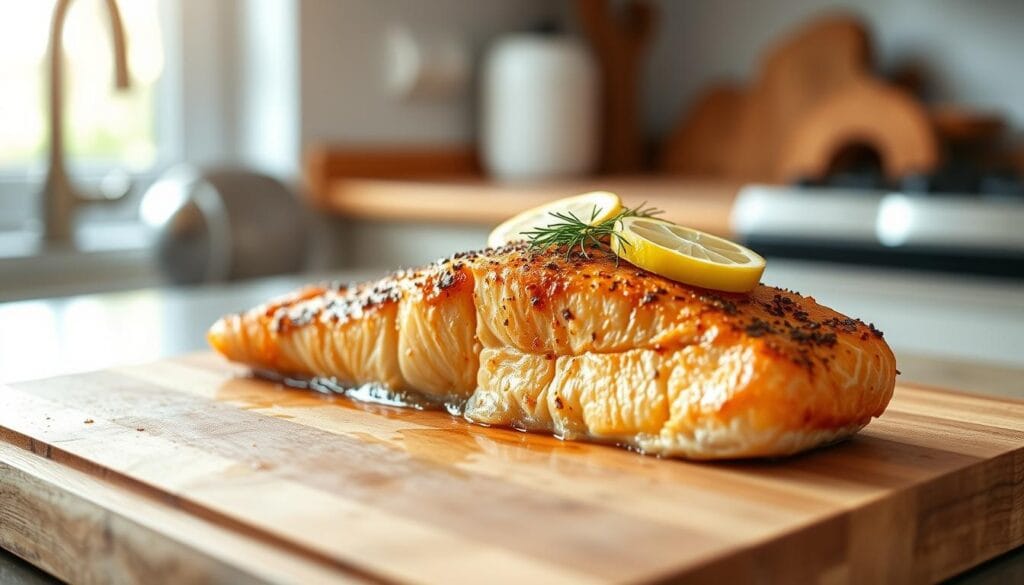
There’s nothing worse than cutting into a beautiful piece of fish only to find it dry and flavorless. We’ve all been there – standing at the kitchen counter, wondering why something so simple feels so tricky to master. But what if i told you how to bake salmon moist, flaky fillets with minimal effort, even on hectic evenings?
This guide unlocks the secrets to consistent success with oven-prepared seafood. Whether you’re hosting a dinner party or fueling a midweek meal, the right approach transforms this protein into a crowd-pleasing staple. You’ll learn why timing matters more than fancy techniques, and how lemon-garlic flavors elevate natural richness without overpowering it.
Forget complicated steps or expensive tools. Your oven does most of the work here, requiring just 12-15 minutes at the right temperature. Overcooking becomes a distant memory as you discover the sweet spot between underdone and rubbery textures. Even first-time cooks can achieve restaurant-worthy results by focusing on core principles rather than endless variables.
Imagine serving golden-edged fillets that flake at the touch of a fork, their juicy interior bursting with bright citrus notes. That’s the power of mastering one reliable method – a skill that turns uncertainty into confidence with every delicious bite.
Table of Contents
Introduction to a Delicious Baked Salmon Experience: How to Bake Salmon
Weeknight meals get a gourmet upgrade when this omega-rich superstar takes center stage on your plate. Salmon’s versatility bridges casual dinners and elegant gatherings effortlessly, offering a nutrient-dense foundation for endless flavor combinations.
Learning how to bake salmon not only enhances your culinary skills but also allows you to enjoy this delectable fish with ease.
Packed with omega-3 fatty acids and essential vitamins, each fillet delivers more than just taste. “Salmon’s combination of nutrients makes it the gold standard for heart-healthy proteins,” notes Dr. Emily Carter, a registered dietitian. Its natural richness pairs perfectly with zesty marinades or simple herb rubs, adapting to your mood and schedule.
| Protein Source | Omega-3 Content | Prep Time |
|---|---|---|
| Salmon | 2,260 mg per 3 oz | 12-15 mins |
| Chicken Breast | 70 mg | 25-30 mins |
| Beef | 50 mg | 20-45 mins |
What sets this seafood favorite apart? Three key factors:
- Flakes perfectly when cooked right
- Absorbs flavors like citrus or garlic
- Contains 22g protein per serving
Busy cooks appreciate its quick cooking time – most fillets reach ideal doneness faster than you can set the table. Whether you’re meal-prepping or hosting friends, this kitchen staple eliminates guesswork while maximizing nutrition.
Essential Ingredients for a Flavorful Salmon Recipe
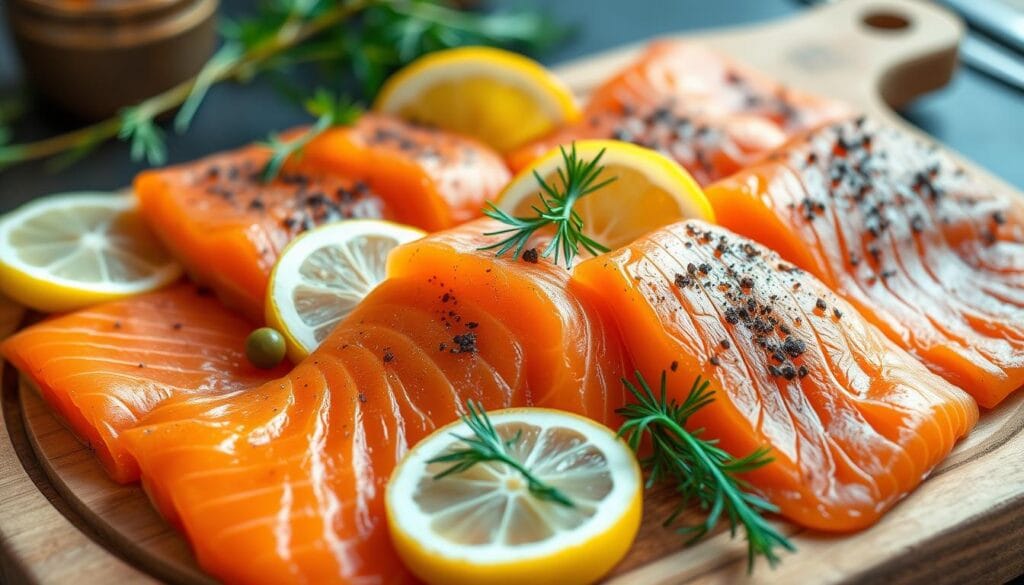
Great meals start with quality components. For this dish, vibrant pink fillets set the stage – their firm texture and ocean-fresh aroma signal prime quality. Freshness matters most when selecting your centerpiece ingredient.
Extra virgin olive oil forms the foundation of your seasoning blend. Its fruity notes complement the fish’s natural richness better than neutral oils. Chef Marco Pierre White once noted: “Simplicity reveals a cook’s confidence – let your ingredients speak clearly.”
Kosher salt and cracked pepper work in harmony. They amplify existing flavors without overwhelming delicate flesh. Pre-minced garlic saves time, but freshly chopped cloves deliver brighter, sharper tones.
An Italian herb blend adds depth. Rosemary, thyme, and oregano create aromatic layers that cling to each bite. Citrus plays double duty – juice tenderizes while slices add visual appeal during serving.
This minimalist approach proves powerful. With seven core items, you’ll craft a balanced profile where every element shines. No exotic spices or complicated techniques required – just smart combinations that honor the star of your plate.
Understanding Salmon Varieties and Their Unique Characteristics
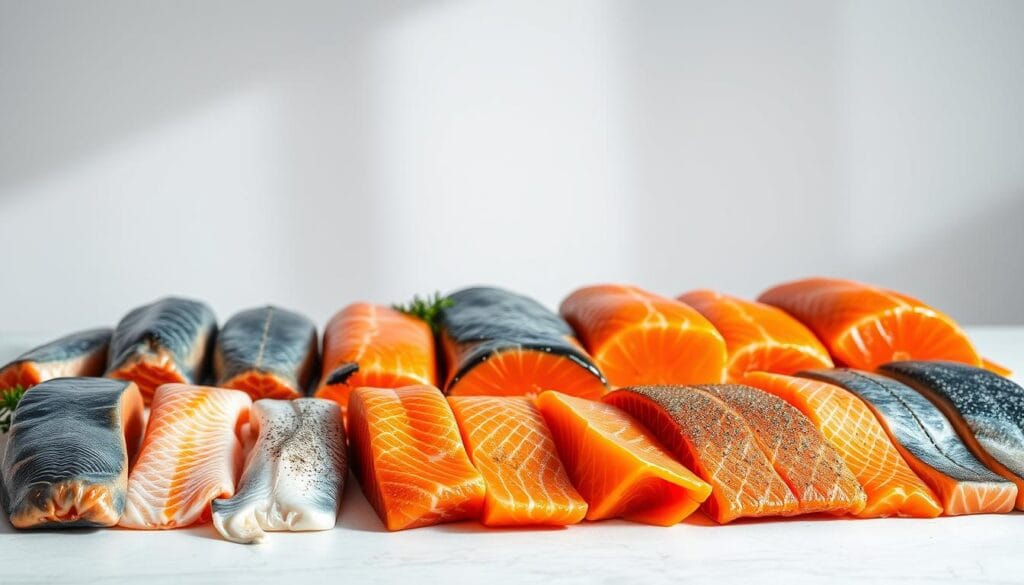
Selecting the right salmon variety transforms your meal from ordinary to extraordinary. Five Pacific types dominate U.S. markets, each with distinct textures and flavors that influence cooking outcomes. Knowing these differences helps you pair the perfect cut with your culinary vision.
Matching Fish to Flavor Goals
Sockeye salmon stands out with its ruby-red flesh and lean profile. Its bold taste holds up well to grilling or smoking. “This variety’s natural richness needs minimal seasoning,” advises seafood chef Michael Tanaka. “Let its earthy notes shine through simple preparations.”
| Variety | Fat Content | Best Use | Price Range |
|---|---|---|---|
| King/Chinook | High | Sashimi, roasting | $$$$ |
| Sockeye | Medium | Grilling, salads | $$$ |
| Coho | Low | Baking, tacos | $$ |
| Pink | Very Low | Casseroles, patties | $ |
Pacific Powerhouses Explained
King salmon’s buttery texture justifies its premium price tag. Its high fat content keeps fillets moist during high-heat methods like broiling. Budget-friendly pink salmon works best in dishes with bold sauces that enhance its mild flavor.
Chum salmon offers two assets: firm flesh for quick sears and prized roe for gourmet garnishes. Coho’s subtle taste makes it ideal for fish tacos or citrus-glazed entrees. Pair each variety’s strengths with suitable techniques for foolproof results.
Preparation and Preheat Instructions for how to bake salmon
Precision in preparation separates good results from exceptional ones. Your oven becomes the hero when properly primed, transforming raw ingredients into tender perfection through controlled heat application.
Mastering Heat Distribution
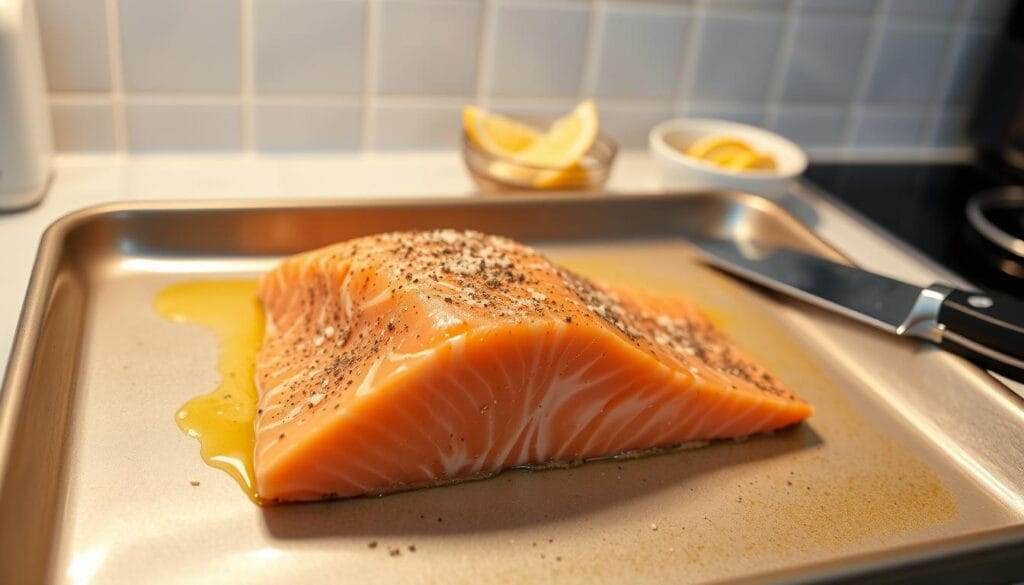
Set your appliance between 375°F and 400°F – this range balances surface caramelization with interior moisture retention. Most models need 12 minutes to stabilize at desired temperatures. Use this waiting period to arrange fillets on a greased sheet, leaving two inches between pieces for airflow.
Season immediately after placement. Salt draws out natural juices that mingle with pepper’s warmth during cooking. Chef Thomas Keller emphasizes: “Temperature control isn’t just technical – it’s the rhythm that harmonizes ingredients.”
Thicker cuts benefit from lower heat (375°F), while thinner portions handle 400°F beautifully. Always position racks in the middle third of your oven for even exposure. These simple steps create ideal conditions for flaky textures and golden edges every time.
Step-by-Step Guide to Seasoning Your Salmon
The difference between ordinary and extraordinary often lies in the details of preparation. Seasoning transforms simple fillets into vibrant masterpieces through thoughtful flavor layering and technique.
Crafting the Perfect Garlic Lemon Marinade
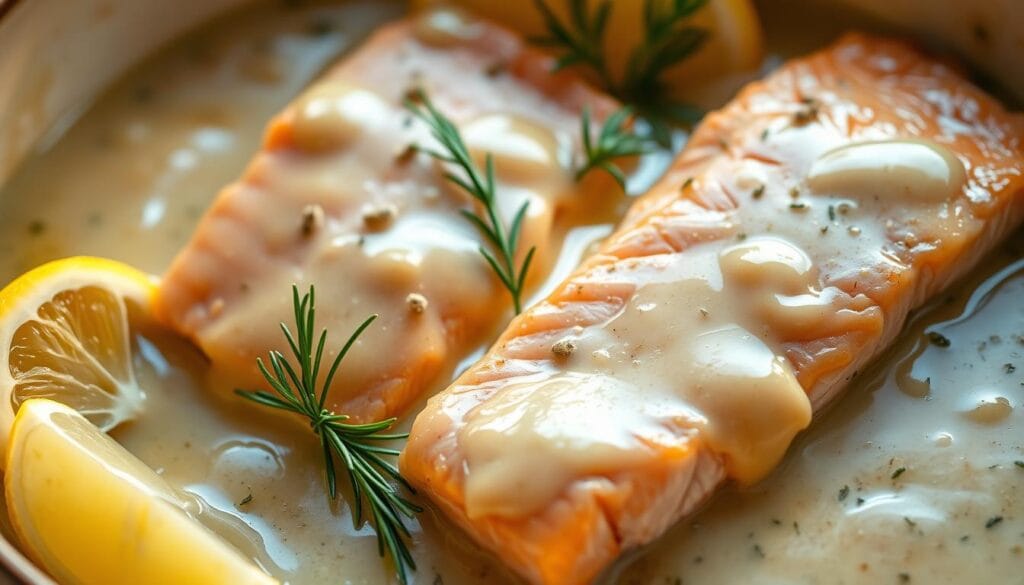
Start by whisking olive oil with minced garlic and fresh lemon juice. This creates a bright foundation that clings to the fish. Add dried herbs like thyme or dill for aromatic depth – their earthy notes soften garlic’s sharpness.
Chef Gabrielle Hamilton advises: “Balance aggressive ingredients with acidic elements to create harmony on the palate.” Let the mixture sit 5 minutes before applying. This allows flavors to meld into a cohesive sauce.
Tips for Evenly Coating Your Salmon
Use a pastry brush or spoon to distribute the marinade across every surface. Focus on edges where seasoning often gets missed. Rotate fillets gently to ensure underside coverage without flipping.
For butter-based versions, combine melted butter with lemon zest. Brush in upward strokes to prevent pooling. This method creates a golden crust while locking in moisture. Pat dry surfaces first – moisture repels oil-based sauces.
Always season at room temperature. Cold fish causes sauces to congeal instead of absorbing. Let coated fillets rest 10 minutes before cooking for maximum flavor penetration.
Baking Techniques: Time, Temperature, and Methods
Precision transforms good dishes into exceptional ones. The magic happens when heat, timing, and observation work together seamlessly. For tender, juicy results every time, these elements must align like clockwork.
Using a Thermometer and Visual Doneness Cues
Set your oven between 350°F and 375°F. This range ensures gentle cooking without moisture loss. Most standard fillets need just 12-15 minutes – thicker cuts may require 2-3 extra minutes.
Insert a digital thermometer into the thickest section. Chef Gordon Ramsay advises: “125°F to 130°F gives that ideal silky texture – anything beyond turns treasure into trash.” Remove fillets when they reach this sweet spot, as residual heat continues cooking.
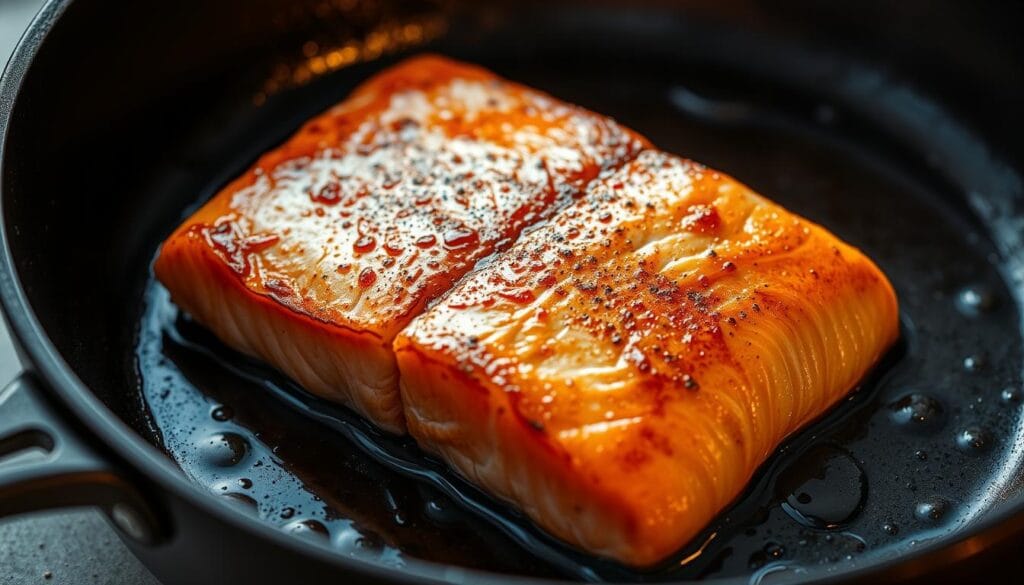
Watch for visual changes. Raw flesh appears glossy and translucent. Properly cooked pieces turn opaque and separate easily with a fork. Edges should slightly golden without curling.
Three signs of perfection:
- Flakes separate with gentle pressure
- Juices run clear, not milky
- Center resists firmness when pressed
Trust your tools, but also your eyes. Combine thermometer readings with these visual checks for foolproof results. Over time, you’ll instinctively know when to pull fillets from the heat.
Proper Use of Baking Equipment and Tools
Your choice of kitchen gear impacts both presentation and cleanup efficiency. While flavor comes from ingredients, professional results stem from smart tool selection and preparation techniques.
Choosing Between a Baking Pan, Foil, or Parchment
Whole fillets shine on rimmed sheet pans – their spacious surface prevents overcrowding. Line first with foil, then parchment. This dynamic duo blocks acidic reactions with lemon while simplifying post-meal scrubbing.
Individual portions thrive in ceramic dishes. Their contained edges keep sauces pooled around each piece. Foil alone works for quick meals, but parchment’s non-stick surface guarantees intact servings every time.
Alternate Tools Like Sheet Pans and Air Fryers
Standard sheet pans offer unmatched versatility for large cuts. Their even heat distribution prevents undercooked spots. For smaller portions, air fryers deliver crispy edges in half the time – just reduce temperatures by 25°F.
Invest in heavy-duty pans that resist warping. Thin sheets buckle at high heat, creating uneven surfaces. Quality tools become lifelong allies, transforming hectic evenings into streamlined culinary victories.
FAQ
What’s the ideal oven temperature for salmon?
How long does it take to cook salmon in the oven?
Should you leave the skin on while baking?
What herbs pair best with garlic lemon marinade?
Can parchment paper replace foil for baking?
How do you check if salmon is fully cooked?
What sides work well with baked salmon?
Can you store leftovers in the fridge?
Are air fryers effective for cooking salmon?
Why use olive oil instead of butter?
Did you like this recipe ?
There are no reviews yet. Be the first one to write one.